Proudly serving Tucson, Oro Valley, Marana, Sahuarita, Green Valley, Vail & surrounding areasCall or Text 24/7: 520-569-2109

Roof Repair and Storm Damage Restoration in Casas Adobes, AZ

Tucson Quality Roofing provides roof repair, roof replacement, and roof coating for homes and businesses in Casas Adobes, AZ. Our crews also work on tile, flat, foam, shingle, and metal roofing systems. We handle emergency roof leak repair and commercial roofing when monsoon wind, UV exposure, or drainage failures threaten a property. Every recommendation starts with the roof's actual condition rather than a generic, one-size-fits-all plan.

The Sonoran Desert brings more than 300 days of sun a year, sudden monsoon downpours, and temperature swings that can reach 40 degrees between afternoon highs and pre-dawn lows. Those conditions can crack underlayment, lift shingles, loosen flashing, and make flat-roof membranes brittle. We trace the real source of a leak, explain the material options, and provide a written scope before work begins. Homeowners can request a free roof estimate without a high-pressure decision at the door.

Casas Adobes is an unincorporated census-designated place of 70,973 in the northern Tucson metro area, south of Oro Valley and west of the Catalina Foothills. We work across residential neighborhoods, foothill-adjacent properties, and the commercial corridors near Ina and Oracle Roads under Pima County jurisdiction.

★ ★ ★ ★ ★4.9/5 Average Rating - 20+ Years of Experience - Casas Adobes Roofing Contractor Specialists - Residential & Commercial
Roofing Services

Roofing Services in Casas Adobes, AZ

Choose repair, replacement, coating, or a roof system suited to the property's slope, deck condition, drainage, and desert exposure. Our work covers residential and commercial tile, shingle, flat, foam, and metal roofs. Property owners comparing nearby coverage can also review our roofing service in Tanque Verde, AZ .

Roof Repair

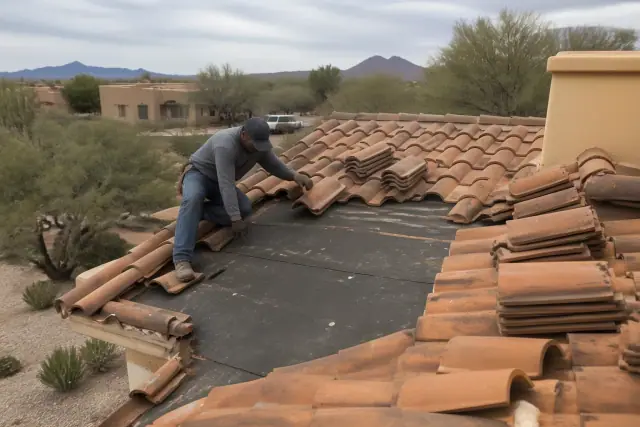
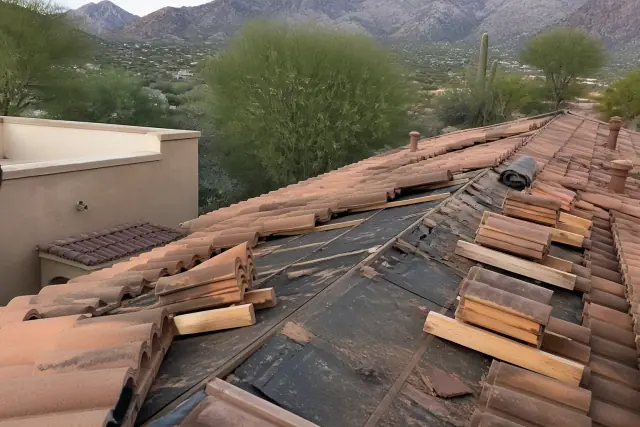
Roof repair showing exposed underlayment and loose clay tiles on a home in Casas Adobes, AZ.

Roof repair in Casas Adobes typically costs between $395 and $1,966 nationally, depending on the damage and roof type. We diagnose the entry point behind leaks, replace or reseal affected material, and correct flashing or decking problems instead of covering the visible symptom. Acting before another monsoon can help prevent a small defect from contributing to $3,000 to $8,000 in cumulative damage over the roof's life.

Explore Service
Roof Replacement

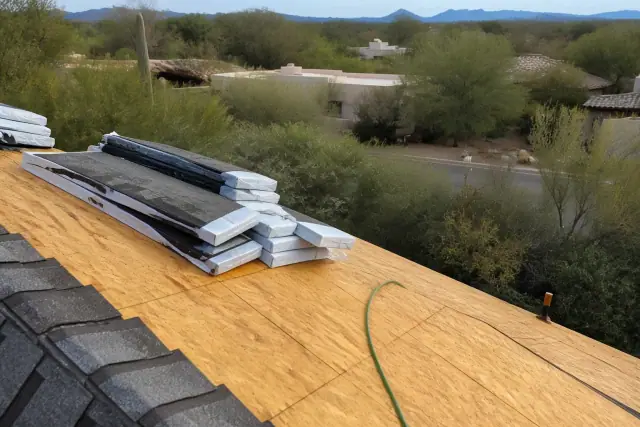
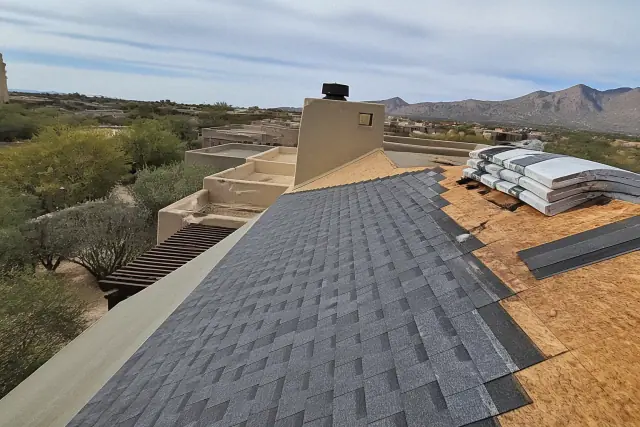
Technician installing new asphalt shingles on a sloped roof in Casas Adobes, AZ.

Standard asphalt-shingle replacement commonly runs from $5,900 to $12,900 nationally, with an average near $9,500, while local tile and foam systems vary with square footage, pitch, and deck condition. We handle tear-off, deck inspection, underlayment upgrades, and installation to the International Residential Code or International Building Code standards Pima County enforces. Homeowners receive material choices, an itemized cost breakdown, and available financing information before work begins.

Explore Service

Roof Coating

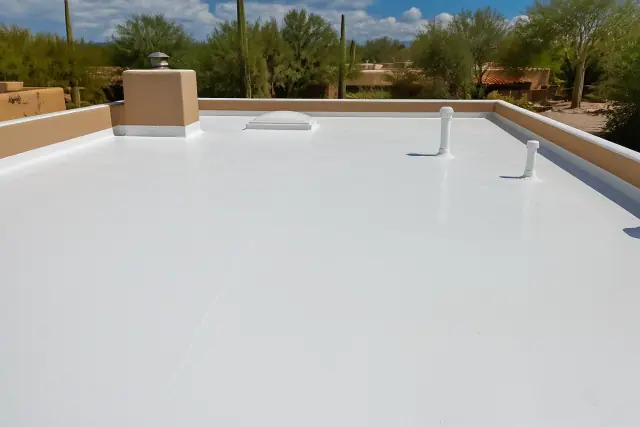
White reflective roof coating applied to a flat residential roof in Casas Adobes, AZ.

Elastomeric and silicone coatings can extend the service life of sound flat and low-slope roofs by sealing seams and reflecting intense UV radiation. Because coating over damaged decking or unresolved ponding can trap the problem, we inspect the substrate and drainage first. A suitable coating can add years of protection at a fraction of full replacement cost.

Explore Service

Tile Roof Repair

A roofer inspecting clay tiles and underlayment during a roof repair at a home in Casas Adobes, AZ.

Many Casas Adobes subdivisions built in the 1980s and 1990s have tile roofs whose underlayment begins breaking down after 20 to 25 years of desert sun. We match broken or slipped tiles, replace failed felt or synthetic underlayment sections, and reseal ridge and hip caps. Load-distributing boards and foam pads help us inspect and repair without cracking additional tile.

Flat Roof Repair

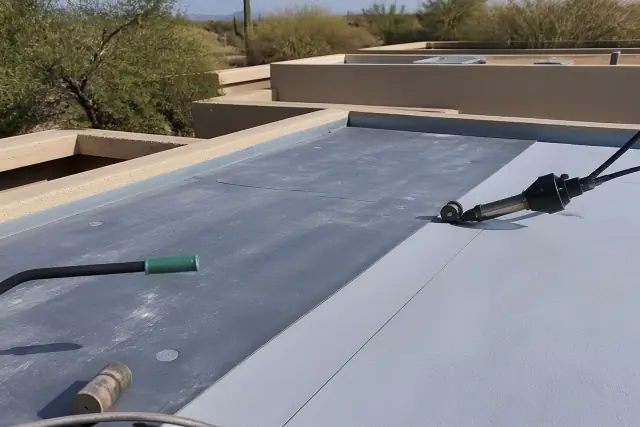
Technician applying heat-welded seams to a flat residential roof in Casas Adobes, AZ.

Moderate flat roof repair typically runs from $750 to $3,500, while larger commercial sections vary by membrane type and scope. We check seams, drains, scuppers, and parapet flashing to find why water remains after a storm. When a low spot or blocked outlet causes ponding, the repair addresses drainage rather than simply patching the puddle.

Foam Roofing

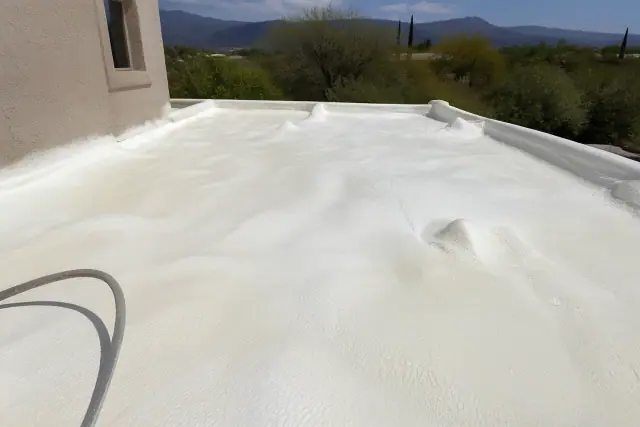
Polyurethane foam roofing being applied to a residential roof in Casas Adobes, AZ.

Spray polyurethane foam creates a seamless insulating layer for flat residential and commercial roofs in hot desert conditions. It reduces heat transfer into the building and can be recoated as it ages instead of immediately being replaced. The system is especially practical on additions and flat sections connected to tile or shingle roofs.

Shingle Roofing

Technician kneeling on a steep shingled roof under construction at a residential jobsite in Casas Adobes, AZ.

Asphalt shingles generally last 15 to 30 years under normal conditions, although Arizona UV exposure can shorten that range. We install architectural and three-tab products rated for high wind uplift and repair storm-lifted courses with matching manufacturer product lines when available. Proper nailing and material matching help avoid premature failure and a patchwork appearance.

Metal Roofing

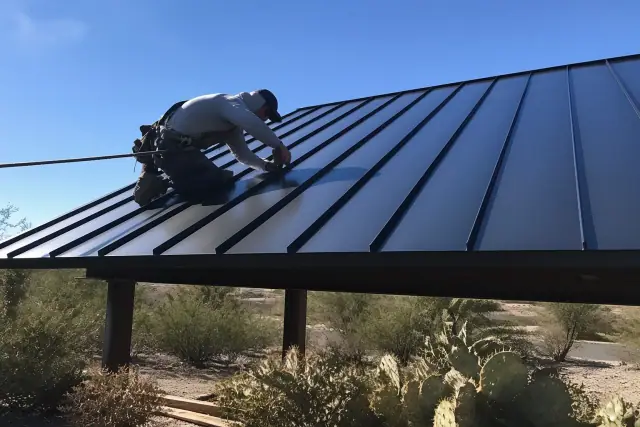
Worker installing standing seam metal roofing panels on a house framework in Casas Adobes, AZ.

Reflective metal roofing can deliver energy-cost savings of up to 40% annually compared with darker, heat-absorbing materials. Standing-seam and corrugated-panel systems can last up to roughly 40 to 50 years with minimal maintenance. We install them for residential and commercial applications with fastening details selected for wind resistance.

24-Hour Emergency Roof Leak Repair

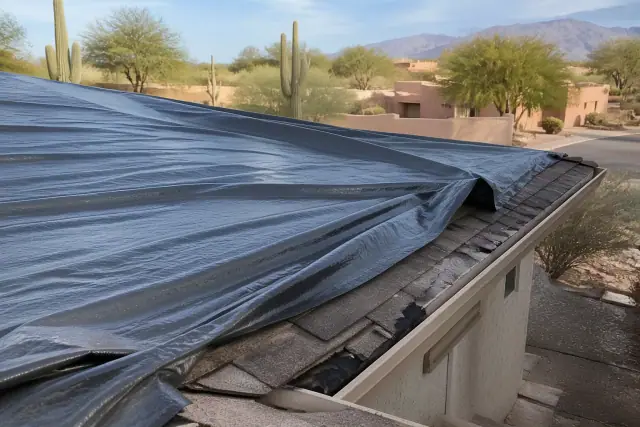
A heavy-duty tarp being secured over a damaged shingled roof during emergency repairs in Casas Adobes, AZ.

Emergency roof leak work focuses first on stopping active water intrusion with a tarp or temporary seal when roof access is safe. Once conditions allow, we inspect displaced shingles, torn flashing, lifted tile, insulation, and the roof deck before planning the permanent repair. We treat Casas Adobes leak calls as priority work and can document storm damage with photos and an itemized scope for an insurance claim.

Commercial Roofing

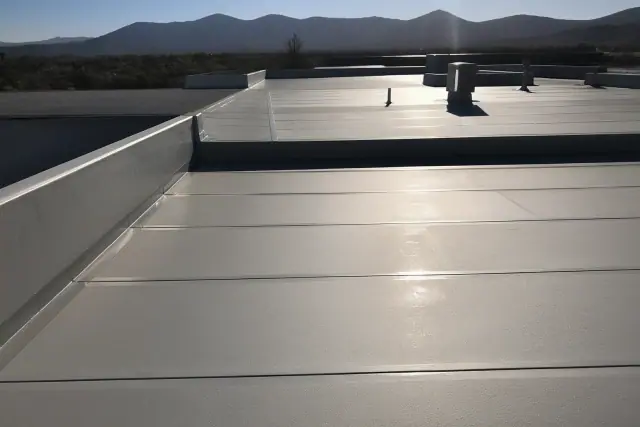
Heat-welded seams on a commercial flat roof membrane in Casas Adobes, AZ with desert foothills in the background.

Retail centers, offices, and light-industrial properties near Oracle and Ina Roads commonly rely on flat membrane, foam, or metal roofing. We perform installation, recoating, repair, and scheduled inspections while coordinating around business hours to reduce disruption. Periodic maintenance can identify small seam, drainage, or flashing issues before they become tenant complaints or insurance claims.

Roofing Decisions

How to Choose the Right Roofing Option in Casas Adobes

The right recommendation depends on whether the roof can be repaired responsibly, how the existing system handles heat and drainage, and what the written scope includes. A physical inspection should come before a material or price recommendation. Compare the condition, expected service life, code requirements, and full project cost rather than choosing from a phone description alone.

Start With Roof Condition

A ceiling stain rarely sits directly below the point where water entered. A useful inspection checks decking for soft spots, flashing at every penetration, surface wear, drainage, attic ventilation, and evidence of earlier repairs before defining the scope.

Compare Repair and Replacement

Repair makes sense when damage is isolated and the surrounding roof still has useful service life. Replacement becomes the more responsible choice when deterioration is broad, decking is compromised, or repeated repairs no longer protect the structure economically.

Match the Existing Roof Type

Tile, shingle, foam, metal, and flat membranes age and fail differently. Material age, pitch, fastening, underlayment, and whether a manufacturer warranty remains in force all affect which repair or replacement method fits.

Check Slope and Drainage

Flat and low-slope roofs depend on sound seams, open scuppers, and properly directed drainage, while steeper tile and shingle roofs face different wind and flashing concerns. The recommendation should correct water movement, not merely cover the point where it collected.

Account for Desert Exposure

UV radiation, extreme surface heat, dust, and monsoon wind can change the useful life of roofing materials in Casas Adobes. Reflective coatings, wind-resistant fastening, and underlayment choices should respond to those local stressors and the roof's actual condition.

Review the Full Written Scope

A written estimate should identify materials, labor, deck or underlayment work, permits, timing, and the coverage that applies to the finished job. Comparing complete scopes helps homeowners understand why two prices differ and where financing may fit a planned replacement.

Desert Roofing Issues

Common Roof Problems for Casas Adobes Properties

Roofing materials here face continuous desert exposure followed by sudden seasonal storms. Surface wear, hidden underlayment failure, loose flashing, and blocked drainage can all send water somewhere other than the obvious ceiling stain. A focused inspection separates a repairable defect from broader deterioration before the next storm tests the roof again.

Request Roof Inspection

UV-Damaged Roofing

A dark roof surface can exceed 150 degrees Fahrenheit during summer, accelerating granule loss, cracked sealant, brittle asphalt, and rubber-membrane deterioration. Reflective materials can reduce exposure, but existing damage still needs inspection before any coating or repair.

Thermal Expansion and Cracking

Temperature changes can reach 40 degrees between afternoon highs and pre-dawn lows. Repeated expansion and contraction eventually crack seals, loosen fasteners, and open small paths for water around penetrations and parapet walls.

Monsoon Wind Damage

Monsoon season runs roughly from June through September, bringing sudden heavy rain to roofing that has baked dry for months. Storm gusts regularly exceed 50 miles per hour, which can lift improperly nailed shingles, displace tile, and tear weakened flashing.

Ponding Water and Blocked Scuppers

Standing water on flat and low-slope roofs often points to a clogged scupper, blocked drain, failed seam, or low spot in the membrane. Leaving the puddle in place stresses the surface and can push moisture toward parapet flashing or the roof deck.

Aging Tile Underlayment

Concrete or clay tile may still look serviceable while the felt or synthetic underlayment below has deteriorated. Slipped or broken tile, failed ridge and hip seals, and signs of past leakage are reasons to inspect the concealed waterproofing layer.

Dust, Debris, and Hail Exposure

Dust storms leave debris in gutters and roof valleys, where it can obstruct drainage and hold moisture against the roofing material. Hail is less frequent here than in some other parts of Arizona, but a significant storm can still damage shingles, tile, coatings, and exposed flashing.

Why Choose Us

Why Work With a Local Casas Adobes Roofer

A local contractor should understand both the roof system and the Pima County requirements that shape a compliant repair or reroof. Tucson Quality Roofing combines physical inspection, climate-specific material knowledge, written estimates, and follow-through after the work. That approach supports clear decisions for residential roofs, historic adobe-style properties, retail buildings, and offices across the northern Tucson metro area.

Arizona Licensing and Insurance

Tucson Quality Roofing is insured and carries the contractor licensing required through the Arizona Registrar of Contractors. Homeowners can ask for the active license number, general liability documentation, and workers? compensation information before anyone begins work on the roof.

Pima County Code Knowledge

Full reroofs and structural repairs can require permits and inspection under Pima County jurisdiction. Familiarity with current code standards, local building patterns, and the difference between flatland and foothill-adjacent drainage helps keep the proposed scope grounded in the property.

Clear Estimates and Follow-Through

We provide a free written roof estimate that explains the scope, materials, and cost without an on-the-spot sales demand. After repairs, we walk the property with the homeowner, explain the completed work, and outline maintenance steps that can help the fix last.

A Clear Six-Step Process

Our Roof Repair Process in Casas Adobes

Each repair moves from inspection and diagnosis to a written scope, careful work, and a final walkthrough. The sequence is designed to find the entry point, protect surrounding material, and document what was completed. Storm-related work can also include the photos and itemized detail an insurance adjuster needs.

01.

Inspect the Complete Roof

We climb the roof, check decking for soft spots, review the field material, and examine flashing at vents, walls, and other penetrations. Gutters, scuppers, roof valleys, attic ventilation, and visible signs of past work are included where relevant.

02.

Trace the Source of Damage

Water can travel along underlayment or decking before appearing inside, so the ceiling stain is only a starting point. We follow moisture patterns and material failures back to the entry point instead of placing a surface patch over the symptom.

03.

Prepare a Written Estimate

Once the problem is identified, we document the recommended scope, materials, and cost before work begins. For replacements, the discussion also covers roof type, underlayment, deck condition, permits, material options, and financing.

04.

Complete the Approved Repair

Straightforward leak repairs can often be completed the same day, while larger underlayment or tile projects may take one to two days depending on roof size and material availability. Safe access and the approved written scope guide the schedule.

05.

Use Approved Materials and Methods

We use manufacturer-approved materials and installation practices suited to the existing roof system. Correct fastening, flashing, underlayment handling, and membrane preparation support performance and help protect any applicable manufacturer material warranty.

06.

Document and Walk Through the Work

After the repair, we explain what was corrected and identify practical maintenance steps for the homeowner. When storm damage involves a claim, photos and an itemized damage assessment provide the detail an insurance adjuster needs to evaluate the scope.

Practical Roofing Outcomes

Roofing Outcomes for Homes & Businesses

Case Study 1: Targeted Leak Repair: Tracing water to failed flashing, lifted shingles, cracked seals, or damaged membrane material addresses the entry point instead of only the interior stain.

Case Study 2: Tile and Underlayment Work: Matching slipped or broken tile, replacing failed underlayment sections, and resealing ridge or hip caps restores the layers that keep desert rain out.

Case Study 3: Flat-Roof Drainage and Protection: Clearing scuppers, correcting low spots, repairing seams, and applying a suitable coating to a sound substrate can reduce ponding and extend useful service life.

Plan Your Roof Work

Schedule a Roof
Inspection &
Estimate

Whether you are responding to an active leak, preparing before monsoon season, or deciding between repair and replacement, start with a physical roof inspection. Tucson Quality Roofing provides a free written estimate for Casas Adobes homes and businesses so the material, scope, and cost are clear before you commit.

Local Roofing Help

Roofing FAQs for Casas Adobes, AZ

These answers cover roof lifespan, repairs, replacement, coatings, inspections, storm response, and coverage considerations raised in the roofing draft. For advice tied to a particular roof type and condition, request an inspection and written estimate.

Call Tucson Quality Roofing

Arizona asphalt-shingle roofs often last 15 to 20 years because of intense UV exposure, compared with a typical 20 to 30 years in milder climates. Tile can last 40 to 50 years or more, but its underlayment commonly needs replacement around 20 to 25 years. Foam or elastomeric flat roofs may need recoating every 5 to 10 years, so an inspection should guide timing rather than age alone.

The 25% rule can refer to code provisions under which repairing or replacing more than 25% of a roof surface within a defined period may require that roof section to meet current code. Whether the threshold applies depends on the project scope and the code Pima County is enforcing. We account for that possibility when extensive storm or structural damage makes a partial repair questionable.

Roof repair starts by finding the source of a leak or failure, then replacing or resealing affected shingles, tile, membrane, flashing, or damaged decking as the condition requires. Drainage, gutters, and ventilation may also need attention when they contribute to water entry or accelerated wear. National repair costs commonly range from $395 to $1,966, although roof type and damage severity determine the written local estimate.

Liability depends on the workmanship coverage for the job, the separate manufacturer material warranty, and any applicable Arizona construction-defect timelines. Those coverages are not interchangeable, and improper installation can affect a manufacturer warranty. Tucson Quality Roofing explains the coverage for the selected materials and scope in writing before work begins.

Standard asphalt-shingle replacement generally tracks national figures of $5,900 to $12,900, with an average around $9,500. Tile, foam, steep or complex roofs, and premium standing-seam metal can cost differently; larger projects may reach $15,000 to $25,000 or beyond. An itemized inspection-based estimate shows how square footage, pitch, material, decking, and underlayment affect the total.

Coating can be a practical life-extension option for a flat or low-slope roof with sound decking and a suitable existing surface. Elastomeric or silicone material seals seams and reflects UV exposure, but it should not cover structural damage, deteriorated decking, or unresolved ponding. We inspect the substrate first and recommend replacement when coating would only hide a larger problem.

Moderate flat roof repairs typically range from $750 to $3,500, while larger commercial sections vary with membrane type and scope. The repair may involve seams, drains, scuppers, parapet flashing, or a low area where water collects. A physical inspection is necessary to distinguish a surface defect from a drainage or deck problem.

Before the roughly June-through-September monsoon season, have roof valleys, gutters, drains, scuppers, flashing, loose tile, shingle edges, and flat-roof seams checked. Removing debris improves drainage, while early repairs reduce the chance that wind and sudden heavy rain exploit UV-weakened material. Attic signs of older leaks are also worth pointing out during the inspection.

Interior water stains, slipped or broken tiles, failed ridge or hip seals, and evidence of earlier patching can indicate a problem beneath the tile. The visible tile may remain durable while felt or synthetic underlayment loses its waterproofing ability. Inspecting with load-distributing boards and foam pads helps avoid cracking additional tile.

Spray polyurethane foam is suited to many flat residential and commercial roofs in hot desert conditions. It creates a seamless insulating layer, reduces heat transfer, and can be recoated as it ages. It is also useful on flat additions attached to tile or shingle sections when the existing deck and transitions are suitable.

Reflective metal systems can reduce energy costs by up to 40% annually compared with darker heat-absorbing roofing, and they can last up to roughly 40 to 50 years with minimal maintenance. Standing-seam and corrugated panels work on residential and commercial properties. Correct fastening is important where monsoon winds test panel edges and connections.

Straightforward leaks can often be repaired the same day once the entry point is identified and safe roof access is available. Repairs involving extensive tile, underlayment, decking, or material sourcing may take one to two days. During active storms, a tarp or temporary seal may come first, followed by permanent work when conditions are safe.

Yes. Tucson Quality Roofing can photograph storm or wind damage and prepare an itemized assessment describing the affected material and proposed scope. If it is safe, homeowners should also take photos before temporary work begins, because that record can help an adjuster evaluate the claim.

The service area includes Casas Adobes, Cortaro, Catalina Foothills, Oro Valley, central Tucson, and surrounding unincorporated Pima County communities named in the roofing draft. Coverage includes homes and businesses near Ina and Oracle Roads, the Tucson Mall area, Christopher Columbus Park, and foothill-adjacent properties.

A thorough inspection reviews the roof material, flashing at penetrations, drainage, gutters, attic ventilation, and visible signs of leaks or previous repairs. We also look for UV-cracked sealant, shingle granule loss, tile underlayment deterioration, and flat-roof seam separation. The free written estimate explains the recommended scope and cost so you can compare repair and replacement options.